
Weather Protection That Lasts Through Seasonal Extremes
Siding Installation in Cedar City for homes needing improved exterior durability and energy efficiency
Vinyl, cement board, and wood siding each respond differently to Southern Utah's dry heat, winter freezes, and UV intensity, making material selection a functional decision rather than purely aesthetic. Homes with faded, warped, or cracked siding lose thermal efficiency and allow moisture behind exterior walls during storm events. Elevation V Construction installs siding tailored to match home style and budget while addressing the durability demands of the regional climate.
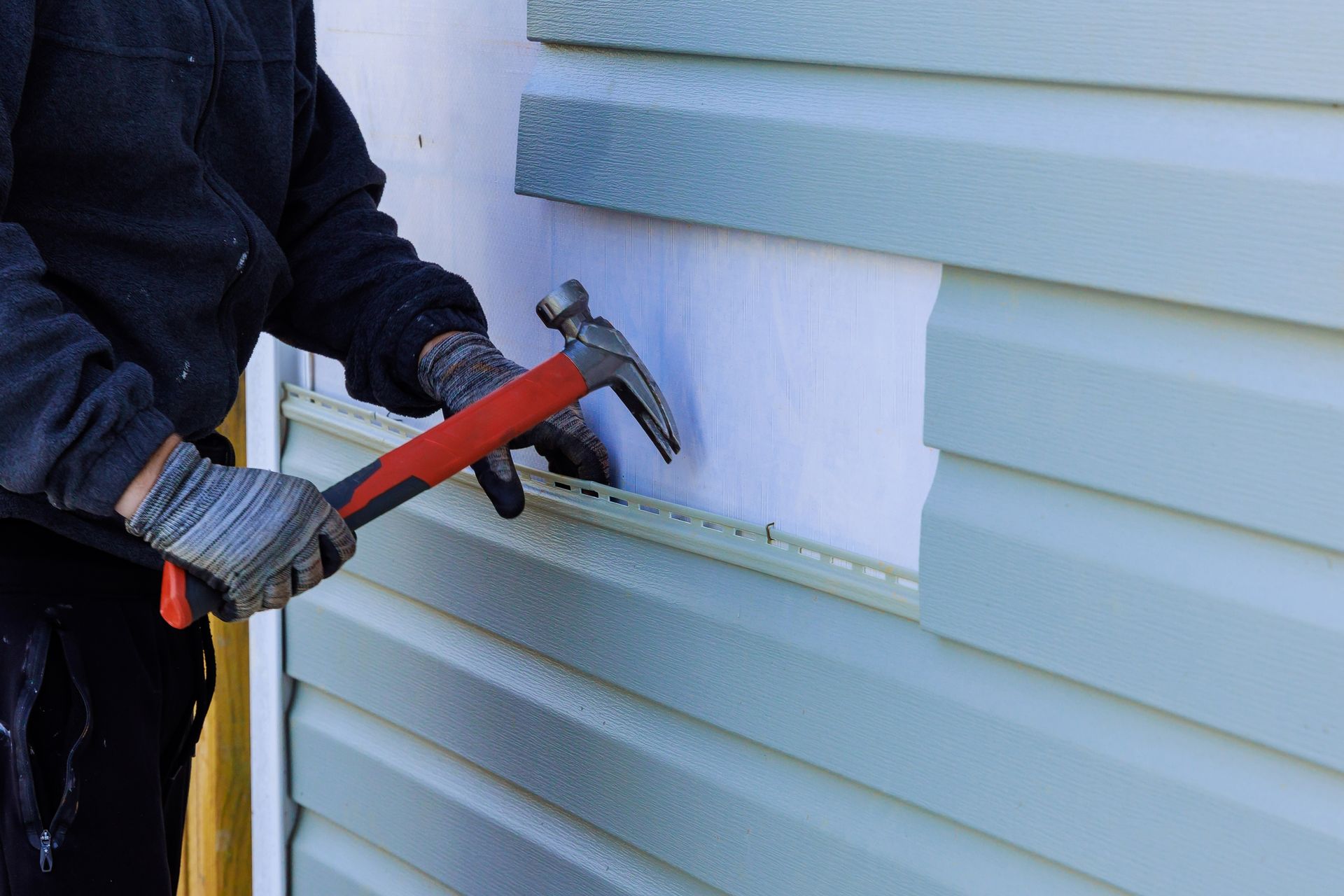
The installation process starts with removing damaged sections, inspecting sheathing for water damage or structural issues, and applying house wrap that creates a continuous weather barrier before siding panels are secured. Experienced crews ensure panels overlap correctly and fasteners penetrate framing members without overdrive that can cause buckling when materials expand in summer heat.
Arrange an on-site consultation to review material options based on your home's current condition and exposure levels.
What Proper Siding Installation Requires
Siding that performs in high desert conditions involves more than surface attachment—it requires attention to expansion gaps, flashing around openings, and ventilation paths that prevent heat buildup behind panels. Cement board resists warping and fire but requires different fastening techniques than vinyl, which must float in tracks to accommodate thermal movement without cracking.
After installation, you notice consistent reveal lines across the facade, sealed joints that keep wind-driven rain from penetrating, and trim work that frames windows and doors without gaps. The exterior sheds water effectively during seasonal storms and maintains color uniformity across sun-exposed sections, eliminating the fading and brittleness that develop when inferior materials face prolonged UV exposure.
Siding projects frequently align with exterior renovation timelines and addition construction, allowing cohesive material selection across updated surfaces. The service does not include structural framing repair, which must be addressed separately if water intrusion has compromised sheathing or studs.
Common Questions About This Service
Material choice and installation methods directly affect how siding performs under the temperature swings and intense sunlight typical in this region.
How does vinyl siding hold up in Cedar City's climate?
Modern vinyl formulated for high UV exposure resists fading and cracking better than older products, but it still expands and contracts with temperature changes, requiring proper fastening that allows movement without buckling or pulling loose from walls.
What makes cement board siding a better option for fire-prone areas?
Cement board is non-combustible and does not ignite from ember exposure during wildfire conditions, providing a defense layer that vinyl and wood cannot match in regions where fire risk influences material decisions.
When is wood siding practical in a dry climate?
Wood requires regular maintenance to prevent splitting and weathering but offers natural insulation properties and aesthetic appeal for specific home styles. It performs best when sealed properly and installed on elevations protected from direct afternoon sun.
What happens to the existing exterior during installation?
The crew removes old siding, inspects and repairs sheathing as needed, and installs moisture barriers before attaching new panels, ensuring that underlying structure is sound and protected from future water intrusion.
How do material costs compare across siding types?
Vinyl typically costs less upfront but may require replacement sooner under intense UV exposure, while cement board has higher initial material and labor costs but delivers longer service life with minimal maintenance in harsh conditions.
Elevation V Construction works with experienced crews to deliver long-lasting results tailored to Southern Utah's environmental demands. Contact the team at (435) 313-5399 to discuss material options and project timelines for your home.