
Structural Foundations That Support Lasting Construction
Framing in Cedar City for new builds, additions, and remodels requiring stable structural support
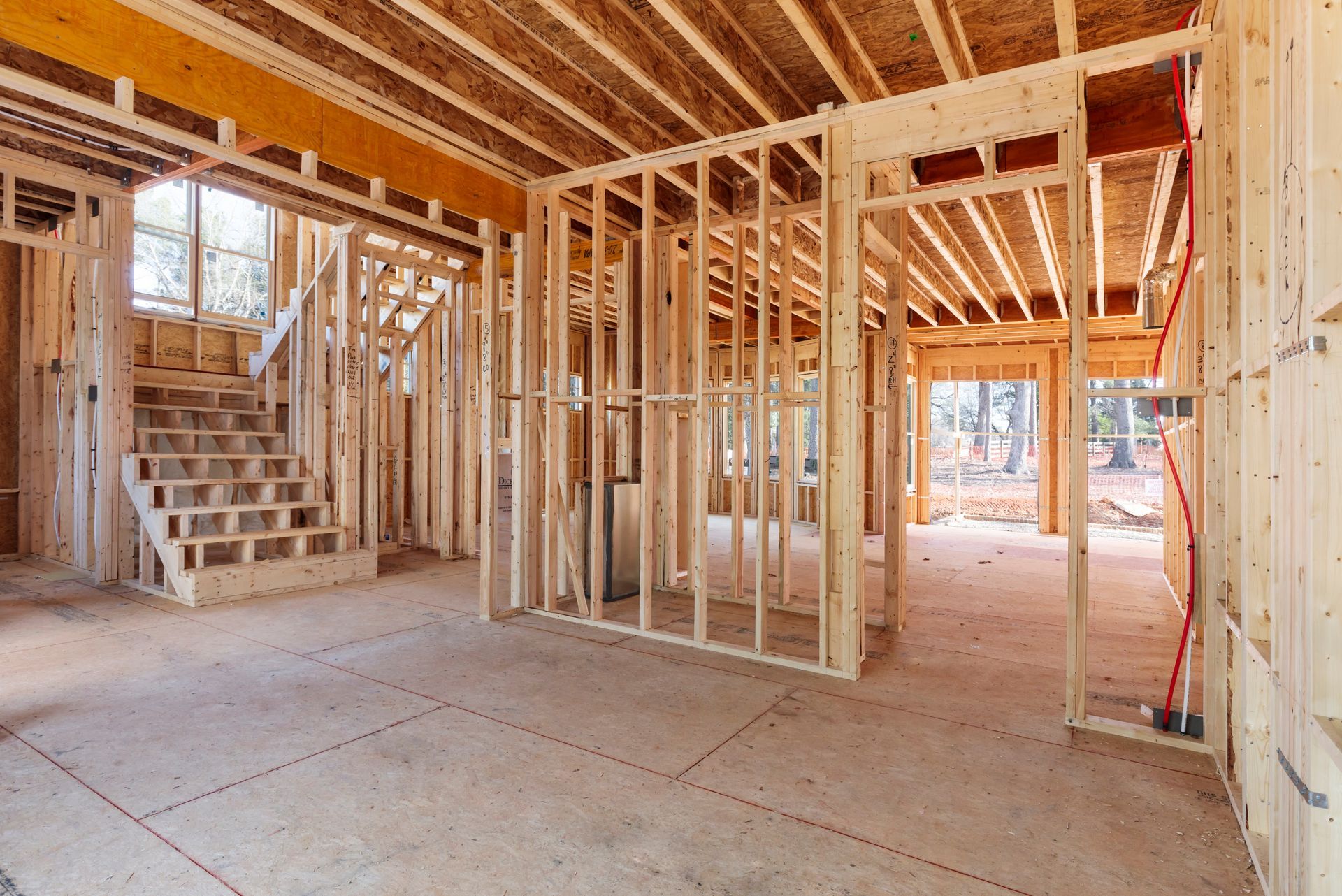
Framing establishes the structural skeleton that supports all subsequent construction phases, from roofing and siding to interior finishes and mechanical systems. Elevation V Construction completes structural framing for residential projects in Cedar City, ensuring that walls are plumb, floors are level, and load paths are properly engineered to handle vertical and lateral forces. Homeowners and builders rely on this service during new construction, home additions, or major remodels where existing framing has deteriorated or no longer meets code requirements for the intended use.
The work involves precision cutting and assembly of dimensional lumber, engineered beams, and structural connectors that transfer loads from roof to foundation without sagging or shifting. Framing must account for door and window openings, utility chases for plumbing and electrical runs, and proper spacing for insulation and drywall attachment. An experienced crew recognizes when soil conditions or span lengths require additional support beyond minimum code, preventing the deflection and cracking that develop in structures built to barely adequate standards.
Request a project evaluation to discuss framing requirements based on your building plans and site-specific conditions.
How Structural Framing Is Done Correctly
Framing begins with layout that establishes wall locations, verifies square corners, and confirms that dimensions match architectural plans before any cutting occurs. Elevation V Construction's in-house crew uses code-compliant fastening schedules and structural connectors rated for the loads they'll carry, particularly in areas where wind uplift or seismic activity impose lateral forces on the structure. Each wall is braced temporarily during assembly to prevent racking, and permanent shear panels are installed where engineered plans specify them to resist horizontal movement.
Once framing is complete, you'll see walls that stand vertically without leaning, floors that don't bounce or squeak under foot traffic, and ceiling joists that span without visible sag. Door frames remain square so that doors swing freely without binding, and window rough openings are sized correctly so that units fit without shimming or forcing. The structure provides a stable base for finish work because each component was installed level and secured properly, eliminating the compounding errors that result when framing is rushed or approximated.
The service supports both small-scale remodels and large residential builds, with crew coordination that keeps timelines on track and allows other trades to begin their work as soon as framing inspections pass. Reliable scheduling reduces downtime between phases and prevents weather exposure that can warp lumber or compromise structural integrity before the building is dried in. Attention to detail during framing reduces callbacks and corrections later, since finish carpenters and drywall installers can work efficiently on surfaces that are already straight and true.
Answers to Frequent Service Questions
Contractors and homeowners planning construction projects often ask about material selection, code compliance, and how framing quality affects later phases.
What materials are used for residential framing in Cedar City?
Most projects use dimensional lumber—typically spruce-pine-fir or Douglas fir—for wall studs and floor joists, with engineered lumber such as laminated veneer lumber or I-joists for longer spans where solid wood would sag. Material selection depends on span requirements, load calculations, and budget, with engineered products offering greater consistency and strength for critical applications.
How does framing quality affect drywall installation and finish work?
Walls framed out of plumb force drywall installers to add excessive joint compound to create the appearance of flat surfaces, resulting in thicker seams that crack over time. Level floors eliminate the need for tapered shims under cabinets and flooring, and properly spaced studs ensure that drywall edges land on solid backing rather than hanging unsupported between framing members.
What inspections are required during the framing phase?
Building departments typically inspect framing before insulation and drywall cover the structure, verifying that studs are properly sized and spaced, headers are adequate for openings, and structural connectors are installed where plans specify them. Passing inspection confirms that the framing meets minimum code requirements for safety and load-bearing capacity.
When should framing be completed relative to other construction phases?
Framing needs to be finished and inspected before electrical, plumbing, and HVAC rough-ins begin, since those trades run their systems within the framed walls and floors. Delaying framing extends the entire project timeline because no other interior work can proceed until the structure is stable and approved.
Why do some framed structures develop problems years after construction?
Inadequate fastening allows walls to shift under wind loads, undersized headers sag as materials above them settle, and improper moisture barriers let water reach framing members where it causes rot and structural weakening. Quality framing includes not only correct assembly but also protection from the elements during construction, particularly in Cedar City's climate where temperature swings can stress green lumber as it dries.
Elevation V Construction handles framing for residential projects throughout Cedar City with attention to code compliance and long-term durability standards. Reach out to discuss your project scope and timeline requirements based on current site conditions and building plans.